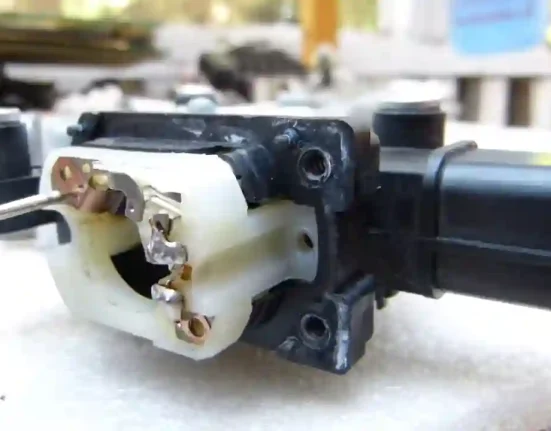
Window regulators, those seemingly simple mechanisms responsible for raising and lowering your car’s windows, have come a long way since their inception. While they may not be the flashiest part of your vehicle, advancements in window regulator technology have had a profound impact on the overall driving experience, safety, and convenience. In this article, we’ll delve into the evolution of window regulators and explore the significant impact of these technological advancements.
The Early Days of Window Regulators:
In the early days of automobiles, window regulators were basic and manual. They typically consisted of a hand crank that required physical effort to move the window glass up and down. While functional, these manual regulators had limitations in terms of convenience and accessibility.
Power Windows Revolutionize the Industry:
The automotive industry saw a significant shift with the introduction of power windows in the mid-20th century. Power window regulators, also known as electric window regulators, replaced the manual hand cranks with electric motors. This innovation was a game-changer for several reasons:
- Convenience: Power windows made it effortless to raise or lower windows with the push of a button. Passengers no longer needed to exert physical force to operate the windows, enhancing overall convenience.
- Safety: Power windows introduced an added layer of safety. In the event of an emergency, occupants could quickly close or open windows without struggling with manual cranks. This was particularly valuable in situations where a swift exit from the vehicle was necessary.
- Customization: Electric window regulators allowed for more precise control over the window’s position. Some vehicles even incorporated one-touch open and close features for added ease of use.
The Integration of Smart Technology:
As technology continued to advance, so did window regulators. Today, many modern vehicles are equipped with smart window regulators that offer an array of features and benefits:
- Anti-Pinch Technology: Smart window regulators are designed with anti-pinch sensors that can detect obstructions when closing the window. If an object or body part is in the way, the window will automatically reverse its direction to prevent injury or damage.
- Global Closing/Open: Some vehicles offer the convenience of global window closing or opening. With the press of a button on the key fob, you can close all the windows or open them before entering the car, allowing for ventilation on hot days.
- Rain-Sensing: Rain-sensing window regulators can detect moisture on the windshield and automatically close the windows to prevent rain from entering the vehicle. This feature enhances interior protection during unexpected rain showers.
- Integration with Vehicle Systems: Smart window regulators are often integrated into the vehicle’s broader system. For instance, when you turn off the engine, some systems automatically close any open windows to conserve energy and enhance security.
Energy Efficiency and Weight Reduction:
Advancements in technology have also led to more energy-efficient window regulators. Electric motors have become smaller and more efficient, contributing to reduced energy consumption. Additionally, the overall weight of window regulator systems has decreased, helping to improve fuel efficiency in vehicles.
Noise Reduction and Comfort:
Modern window regulators are designed with noise reduction in mind. Improved sealing and materials help reduce wind noise and vibrations when the windows are closed, contributing to a quieter and more comfortable ride.
Integration with Vehicle Security:
Window regulators are integral to a vehicle’s security system. Smart window regulators can interact with the vehicle’s central locking system, allowing windows to be automatically closed when the car is locked, enhancing security.
Challenges and Considerations:
While technology advancements in window regulators have brought many benefits, they also come with certain challenges and considerations:
- Maintenance and Repairs: Smart window regulators are more complex than their manual counterparts, which can make repairs more challenging and costly. Proper maintenance is essential to ensure their longevity.
- Reliability: As with any electronic component, there is a potential for malfunctions or electronic issues with smart window regulators. Regular diagnostics and inspections are necessary to ensure their reliability.
- Compatibility: Not all vehicles are equipped with the latest smart window regulator technology. If you’re considering an upgrade, compatibility with your vehicle’s existing systems should be carefully evaluated.
- Cost: Smart window regulators, with their advanced features, may come at a higher cost compared to traditional manual or basic power window regulators. Vehicle buyers should weigh the benefits against the added expense.
The Future of Window Regulator Technology:
As automotive technology continues to evolve, window regulators are likely to see further advancements. Some potential developments on the horizon include:
- Enhanced Sensor Technology: More advanced sensors could provide increased accuracy in detecting obstructions and improving safety features.
- Integration with Vehicle Connectivity: Future window regulators may be seamlessly integrated into the vehicle’s connectivity and infotainment systems, allowing for enhanced control and customization.
- Energy Harvesting: Innovative solutions could harness energy from the movement of the windows, potentially contributing to improved energy efficiency in electric vehicles.
- Durability and Longevity: Ongoing research and development aim to enhance the durability and longevity of window regulators, reducing maintenance and repair costs.
In conclusion, window regulator technology has come a long way from its humble beginnings as manual cranks. The shift to power windows and the introduction of smart technology have improved convenience, safety, and comfort for vehicle occupants. While challenges and considerations exist, the continued evolution of window regulator technology holds promise for even more advanced features and benefits in the future. Whether it’s anti-pinch sensors, rain-sensing capabilities, or integration with vehicle systems, window regulators have firmly established their place as a critical component in the modern automotive landscape.